Nmims Application Login Verified Direct

The NMIMS application login verification process is a crucial step to ensure the authenticity and security of the application process. After logging in, students need to verify their email ID and mobile number to activate their account. This is done through a verification link or OTP (One-Time Password) sent to the registered email ID and mobile number. Once the account is verified, students can access the application form and proceed with the application process.

The NMIMS application login process is a straightforward and user-friendly process. To begin, students need to visit the official NMIMS website and click on the "Apply Now" or "Login" button. They will then be redirected to the login page, where they need to enter their email ID and password. If a student is a new user, they need to click on the "New User" tab and provide basic details such as name, email ID, and mobile number to create an account. Once the account is created, students can log in to access the application form. nmims application login verified

In conclusion, the NMIMS application login and verification process is a secure and efficient way to manage applications. The process ensures the authenticity and security of the application process, preventing fraudulent activities and enhancing the overall student experience. By providing a user-friendly interface and a robust verification process, NMIMS has made it easier for students to apply to its various programs. As technology continues to evolve, it is essential for institutions to adopt such measures to ensure a smooth and secure application process. The NMIMS application login verification process is a

In today's digital age, online applications have become an integral part of various processes, including education. NMIMS (Narsee Monjee Institute of Management and Studies) is a renowned institution that offers various undergraduate and postgraduate programs. To streamline the application process, NMIMS has introduced an online application portal that requires students to create an account and log in to access various services. This essay will discuss the NMIMS application login process and its verification. Once the account is verified, students can access

What's New

Getting Started: Building .NET Applications on AWS
course

Getting Started: Building .NET Applications on AWS

Learn how to build and deploy .NET applications on AWS using CDK, Lambda, DynamoDB, S3, and more.

Learn More
What's new in C# 14
blog

What's new in C# 14

This guide covers every new C# 14 feature, explains its benefits, and provides practical code examples to help you navigate how you can use them.

Learn More
Let's Build It: AI Chatbot with RAG in .NET Using Your Data
course

Let's Build It: AI Chatbot with RAG in .NET Using Your Data

Build a Retrieval-Augmented Generation (RAG) chatbot that can answer questions using your data.

Learn More
From Zero to Hero: SignalR in .NET
course

From Zero to Hero: SignalR in .NET

Enable enterprise-grade real-time communication for your web apps with SignalR.

Learn More
Deep Dive: Solution Architecture
course

Deep Dive: Solution Architecture

Master solution architecture and turn business needs into scalable, maintainable systems.

Learn More
Migrating: ASP.NET Web APIs to ASP.NET Core
course

Migrating: ASP.NET Web APIs to ASP.NET Core

A step-by-step process to migrate ASP.NET Web APIs from .NET Framework to ASP.NET Core.

Learn More
Getting Started: Caching in .NET
course

Getting Started: Caching in .NET

Let's make the hardest thing in programming easy for .NET software engineers.

Learn More
From Zero to Hero: Testing with xUnit in C#
course

From Zero to Hero: Testing with xUnit in C#

Learn how to test any codebase in .NET with the latest version of xUnit, the industry-standard testing library.

Learn More
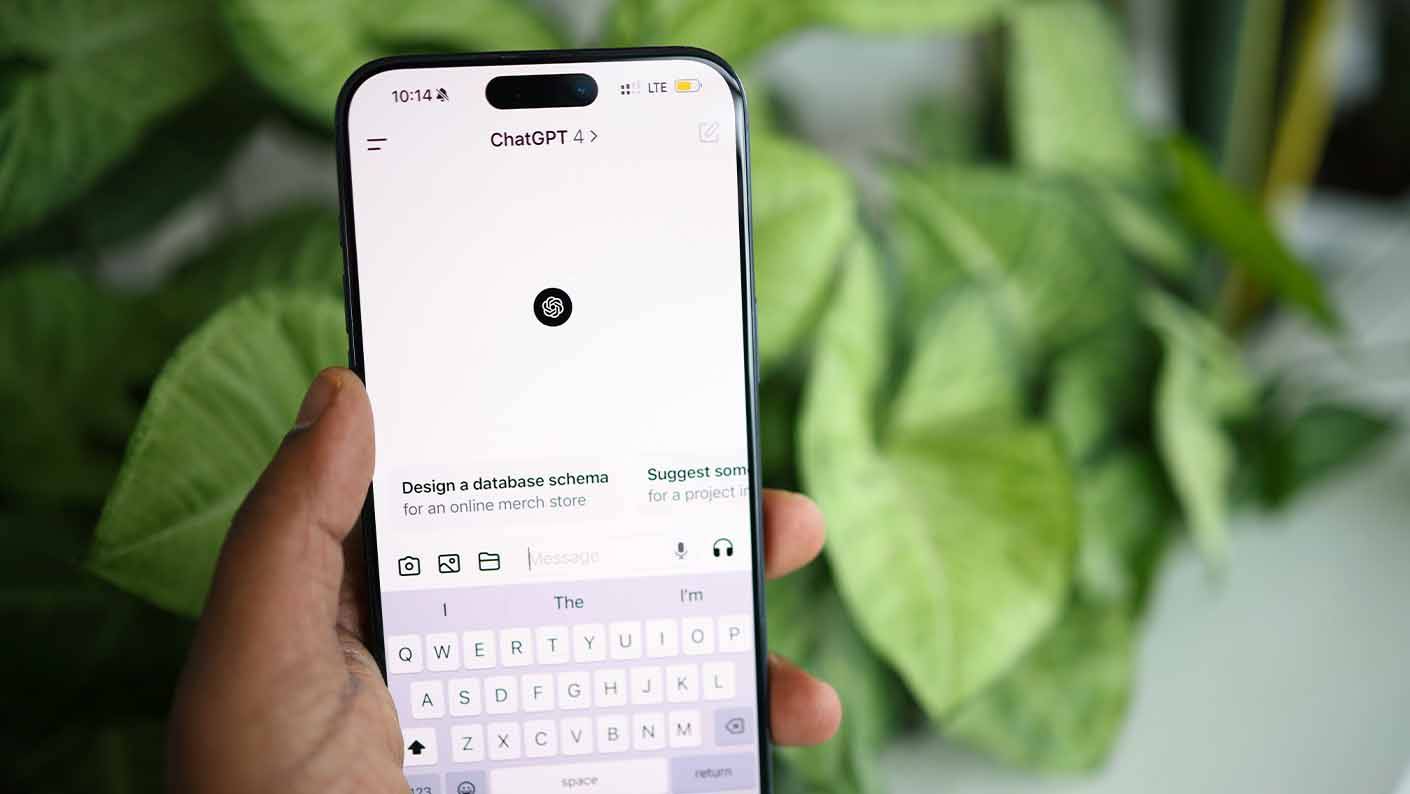
Create a ChatGPT Console AI Chatbot in C#
blog

Create a ChatGPT Console AI Chatbot in C#

This walkthrough is your hands-on entry point to create a basic C# console application that talks to ChatGPT using the OpenAI API.

Learn More